

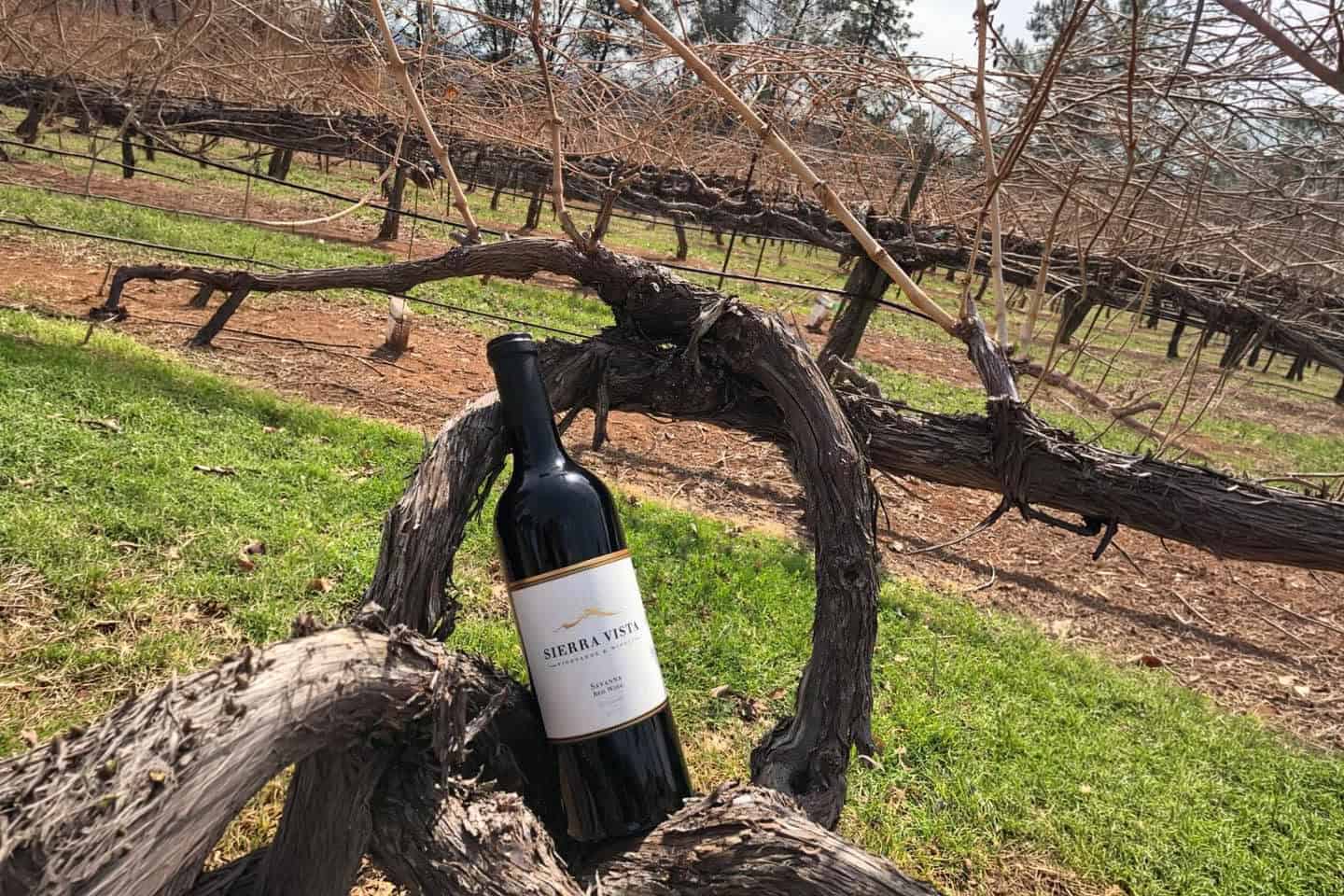

Looking for a Pleasant Valley wine tasting near Placerville? Start with Sierra Vista Vineyards & Winery and Narrow Gate Vineyards. Both offer Rhône-style wines, but the experiences are quite different: one pairs a long winemaking history with vineyard views and food; the other puts biodynamic farming and a more intimate tasting experience at the center of the visit.
Together, they make an appealing two-stop introduction to the area locals call El Dorado’s Rhône Zone. You can enjoy the wines, discover what makes the wineries distinctive, and still leave room for a leisurely afternoon.
Why Is Pleasant Valley Called the Rhône Zone?
Visit El Dorado uses the name Rhône Zone for the Pleasant Valley wineries south of Placerville. The nickname comes from the area’s interest in grapes associated with France’s Rhône Valley—not because the two regions make identical wines.
Sierra Vista helped establish that connection. Its estate vineyards date to 1974, and founder John MacCready planted Syrah in 1979, an early chapter in the grape’s Sierra Foothills history. Today, the winery continues to grow Syrah, Grenache, Mourvèdre and white Rhône varieties alongside other wines. Sierra Vista’s vineyard history offers a closer look.
If Rhône wines are new to you, start with three names: Syrah, often dark-fruited and peppery; Grenache, which can lean toward red fruit and spice; and Mourvèdre, a grape frequently used to add structure to blends. Together, they form the familiar GSM blend (Grenache–Syrah–Mourvèdre). For whites, look for the floral character of Viognier or the fuller texture of Roussanne.
Those are general tendencies, not promises about a particular bottle. Asking what is currently on the tasting menu is part of the fun.
Stop One: Sierra Vista — History, Rhône Grapes and Ryan Wright's Approach
Sierra Vista’s hilltop setting, vineyard views and established estate vines make it a natural place to begin. But its history is more compelling when you hear how today’s winemaker thinks about the grapes.
In an original Anytime Tasting interview with winemaker Ryan Wright, Ryan made an observation that gets to the heart of his approach:
“I almost have a different philosophy for every variety I'm making.”
— Ryan Wright | Sierra Vista Winery & Vineyards
Rather than following one recipe, Ryan described gathering information through the growing season and thinking about where he wants each wine to go. He also spoke about the appeal of working with Sierra Vista’s older vines, and how neighboring El Dorado vineyards can differ because of elevation, soil and slope.
It’s a thoughtful way to approach a region known for diversity. A Syrah and a Grenache may grow in the same broad landscape, but the winemaker still has different decisions to make about each one.
What a Visit to Sierra Vista Feels Like
There’s plenty to enjoy even if you’re not planning to discuss vineyard science. Sierra Vista offers guided tastings, outdoor seating overlooking the vineyards and food service. Its current offerings include Detroit-style pizza on selected days and Sunday brunch; check the winery’s latest menu and tasting information before you go.
For this two-stop day, consider starting here around lunch. Ask which Syrah, Grenache or Rhône blends are pouring, and choose a wine that might be interesting to compare with one at Narrow Gate later.
Sierra Vista Vineyards & Winery — 4560 Cabernet Way, Placerville, CA 95667
Stop Two: Narrow Gate — A Different Way of Working With the Vineyard
At Narrow Gate, Frank and Teena Hildebrand have built their winery around a certified biodynamic approach to farming. The setting is quieter and more intimate, with a cellar and tasting experience that invite questions about what happens long before grapes reach a fermentation tank.
Frank is both the viticulturist and winemaker. On Narrow Gate’s vineyard page, he explains the connection between the two jobs:
“The better job we do as farmers in the vineyard, the better quality of grapes we deliver to the winery.”
— Frank Hildebrand | Narrow Gate Vineyards
The winery uses farm-made compost, emphasizes biodiversity and manages its vines without synthetic fertilizers or pesticides. In the cellar, Frank describes a minimal-intervention approach, making decisions according to the vintage rather than following a completely fixed process.
Does Biodynamic Wine Taste Different?
Not necessarily. Biodynamic farming follows specific agricultural and production standards, but it doesn’t prescribe a particular flavor or style of wine.
The terms biodynamic and natural wine sometimes get lumped together, but they aren’t interchangeable. Biodynamic certification follows defined standards, while natural wine is a broader term generally associated with minimal intervention during winemaking. Demeter USA explains the certification distinctions.
Wine characteristics depend on many factors, including grape variety, growing conditions, fermentation, aging, and the choices made by the winemaker. Some natural wines can have distinctive characteristics because of their production methods, but biodynamic farming alone doesn’t determine how a wine will taste. At Narrow Gate, the opportunity is to experience the results of its vineyard philosophy firsthand and discover which wines appeal to your own palate.
Narrow Gate offers Rhône-style varieties and blends, including its Grenache–Syrah–Mourvèdre blend, along with other wines. Current visitor options include seated tastings and seasonal cheese-and-charcuterie pairings. Review the winery’s reservations and tasting details before visiting.
Narrow Gate Vineyards — 4282 Pleasant Valley Road, Placerville, CA 95667
A Little Elevation and Soil Context — Without the Science Lesson
Why do two wineries in the same small area make wines that can taste different? The grape variety and winemaker matter, of course, but so do the vineyards.
Pleasant Valley sits in the Sierra foothills, where elevation, slope orientation, soil and exposure can vary over short distances. Warm days help grapes ripen; cooler nights can help maintain the acidity that keeps a wine feeling fresh. Soils influence drainage, water availability and vine growth—not because a particular rock simply turns into a flavor in the glass. The University of California’s Central Sierra agriculture guidance explains why those local growing conditions matter.
That’s all you need for this trip. The more interesting experiment is to taste a similar grape at each stop and see what you notice.
How to Plan a Pleasant Valley Wine Tasting Day
This is not a race to collect tasting-room stamps. Give each winery time, make space for food and confirm the details directly before driving into the foothills.
- Choose a Friday, Saturday or Sunday. Narrow Gate currently lists tastings on those days, making them the simplest overlap with Sierra Vista. Hours can change with holidays and special events.
- Start at Sierra Vista. Allow roughly 90 minutes or longer if you’re having lunch. Confirm when the kitchen is serving, particularly if food is an important part of your plan.
- Continue to Narrow Gate. Reserve a tasting, especially if you’d like seated service or a seasonal food pairing. Narrow Gate asks visitors to arrive by midafternoon, so don’t make this a late-day stop.
- Have a driving plan. Designate a non-tasting driver or arrange transportation, and leave some flexibility between appointments.
If you want more options beyond these two, our Placerville winery guide introduces the wider area without turning this outing into an overpacked itinerary. You can also explore wineries with food near Sacramento when choosing where to eat.
Two Wineries, Two Perspectives — Which Fits Your Day?
Sierra Vista may appeal most if you want panoramic vineyard scenery, a connection to the region’s Rhône history, and the option to pair a tasting with a meal.
Narrow Gate may appeal most if you’re curious about biodynamic farming, smaller-scale winemaking and an intimate conversation about how a vineyard is managed.
But there’s no need to choose based on ideology. Both wineries care about their land and the finished wine. What makes them interesting together is seeing how two winemakers approach the same region with different priorities and decisions.
Pleasant Valley Wine-Tasting FAQs
Can I visit Sierra Vista and Narrow Gate in one day?
Yes. Both are in the Pleasant Valley area south of Placerville and make a practical two-stop outing. Book or confirm tastings in advance and allow plenty of time at each winery.
What wines should I try in the Rhône Zone?
Syrah, Grenache and Mourvèdre—or a GSM blend—are approachable starting points for exploring red Rhône varieties. Viognier and Roussanne are worth asking about if you prefer white wine. The exact tasting lineup changes, so ask each winery what’s currently available.
Do I need a reservation at Narrow Gate?
The winery welcomes visitors but provides options to reserve in advance, including same-day arrangements by phone. Reservations are sensible for a planned two-winery day, particularly if you want a specific seating or food pairing. Check its current policy before leaving.
Discover More of Pleasant Valley With Anytime Tasting
Two wineries can tell you a surprising amount about a wine region. At Sierra Vista, you’ll find a pioneering Rhône history and a winemaker who thinks differently about each grape. At Narrow Gate, the conversation begins with biodynamic farming and follows the fruit into the cellar.
The next step is to make the day your own. Explore wineries on Anytime Tasting, choose the Pleasant Valley subregion, and see which places and experiences catch your interest. Browse local wines and save wineries to My Day so your plan is together in one place.
Discover the wineries. Find the wines. Plan your day your way.
About the Author
Jeffrey Hamilton is the founder of Anytime Tasting, a wine-country discovery and trip-planning platform helping visitors explore wineries, wines, and events near Sacramento.
With an extensive background in product marketing, business development, and C-suite executive leadership, Jeffrey brings a business and consumer-experience perspective to the changing wine industry.
He has devoted considerable time to researching El Dorado wine country, exploring its distinctive regions, and learning directly from winery owners and winemakers. Through Anytime Tasting’s Beyond the Tasting Room video series, he shares original interviews highlighting the people, wines, and experiences that make the region unique.