

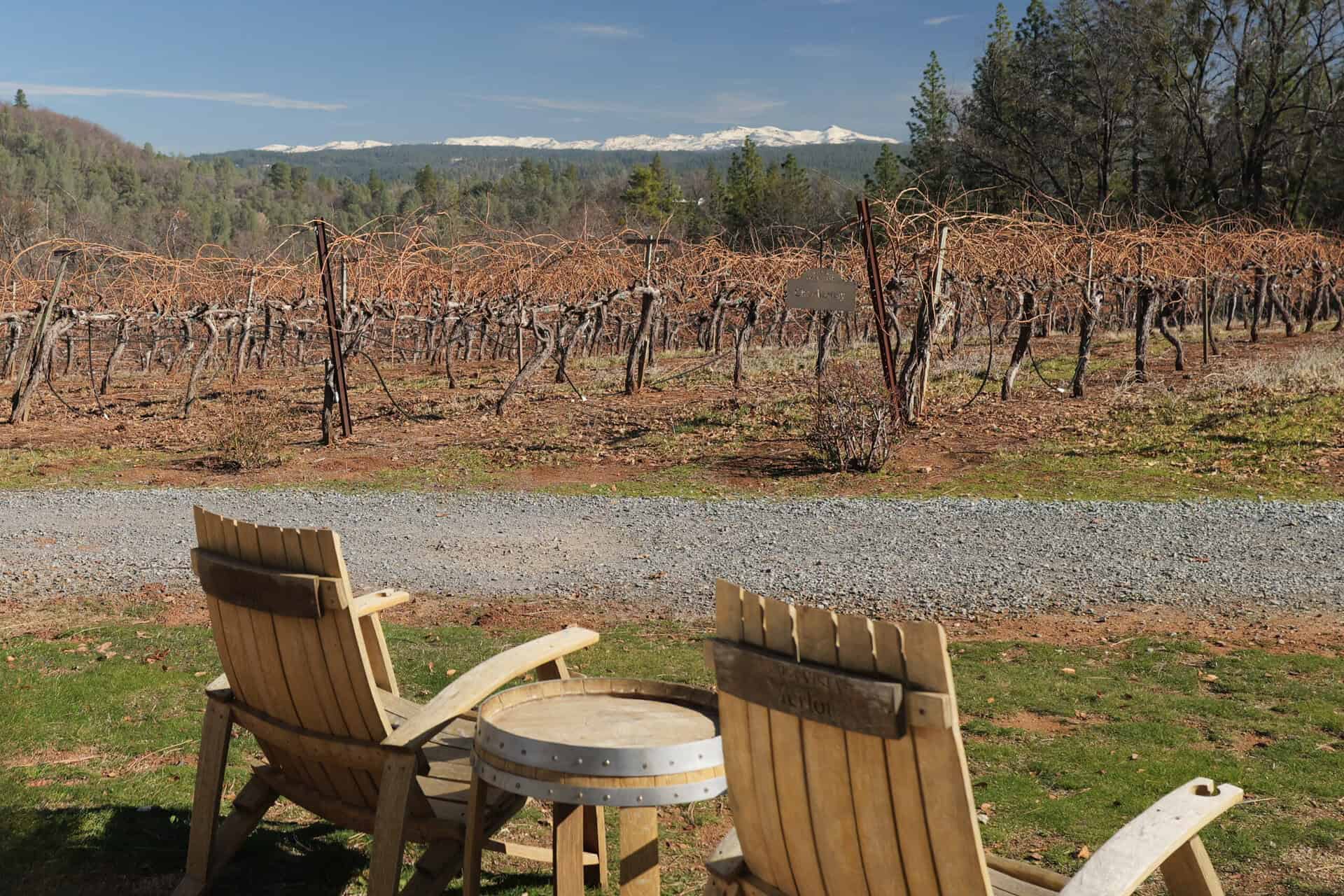

From chef-led dinners to personal hospitality and memorable connections, four El Dorado winery voices share how they’re adapting to a changing wine industry—and why they’re looking ahead with optimism.
Wine tasting in El Dorado County is becoming about more than what’s in the glass. Wineries are finding new ways to bring people together through food, personal hospitality, distinctive wines, and experiences beyond the traditional tasting bar. Four original Anytime Tasting interviews reveal how local winery owners and winemakers are responding to changing expectations—and what that means for your next wine-country visit.
At Element 79 Vineyards in Fair Play, owner Les Heinsen describes one of his winery’s communal dinners with a wonderfully simple observation:
“One big long table, everybody leaves as friends.”
— Les Heinsen, Owner, Element 79 Vineyards
It captures something larger happening in wine country. The wine still matters, of course. But increasingly, so does everything around it: the meal, the people, the setting, the stories, and the memories visitors take home.
And during a challenging period for the American wine industry, those experiences may be more important than ever.
Why Are Wineries Changing the Traditional Wine-Tasting Experience?
Americans are drinking less, younger generations have more beverage choices, and wine is competing harder for people’s time and money. For wineries, making a good bottle is no longer enough to count on a steady stream of visitors. The challenge is to make a winery visit an experience people actively choose.
The change in drinking habits has been substantial.
According to Gallup’s August 2026 survey, the share of U.S. adults who say they drink alcohol fell from 62% in 2023 to 54% in 2026. That is an eight-percentage-point drop in three years, with drinking at a record low in Gallup’s long-running survey.

Percentage of U.S. adults who report drinking alcohol (Gallup).Source
Wine has felt the shift, too. Research from the Wine Market Council, summarized by Penn State Extension, found that the share of U.S. adults age 21 and older who drink wine at least once every two to three months declined from 34% in 2023 to 29% in 2025.

Core and marginal wine participation among U.S. adults 21+ (Wine Market Council, via Penn State).Source
Health concerns, moderation, affordability, and competition from other beverages are all part of a changing environment. A winery can’t control those national trends—but it can influence what happens when people decide to spend an afternoon in wine country.
Are Millennials Drinking Less—or Choosing Better Wine?
According to the Wine Market Council’s 2025 survey, Millennials now represent 31% of U.S. wine drinkers, compared with 26% for Baby Boomers.
The Wine Market Council also found that the biggest erosion in wine participation came from Boomers. Drinking less often does not necessarily mean buying cheaper wine. A 2025 industry outlook from BPM describes engaged Millennial wine drinkers as more experimental and willing to spend more on bottles or glasses they consider worthwhile. A 2024 WineGlass Marketing survey of 1,613 existing Millennial and Gen X wine consumers similarly found that Millennials were more comfortable with everyday bottles priced at $40 or above. Those findings describe wine drinkers surveyed—not every person in either generation.
BMO’s 2026 Wine Market Report adds the broader paradox: U.S. consumer spending on wine increased 3% in 2025 even as wine volume declined. Higher prices contributed, so this alone does not prove consumers were trading up. Still, it points to a compelling opportunity for El Dorado wineries: people may drink less and choose more deliberately, yet value distinctive wines, authentic hospitality, and an experience that justifies the expense.
Why Are Experiences Becoming More Important?
Many people don’t plan a trip to wine country simply to taste five wines at a counter. They may be looking for a memorable meal, beautiful surroundings, time with friends, a story from the winemaker, or an event that makes the day feel special.
A major international research project suggests wineries are paying attention. The 2025 Global Wine Tourism Report, developed with UN Tourism and other research partners, surveyed wineries in 47 countries. Among 1,149 respondents offering wine tourism, the most commonly identified trends included:
- 63%: local and authentic experiences.
- 61%: personalized or niche experiences.
- 59%: growing interest in culinary experiences.

Winery operators identifying three wine-tourism trends; multiple responses possible.Source
These percentages reflect what winery operators reported as trends, not a survey showing that 63% of visitors prefer one particular activity. Nor do they describe El Dorado County specifically. They do, however, help explain the increasing emphasis on food pairings, personal hospitality, and experiences built around a place and its people.
Is There Reason for Optimism?
The broader market is still challenged, but the rate of decline may be moderating. Silicon Valley Bank’s 2026 State of the U.S. Wine Industry Report estimates that U.S. wine sales volume fell 2% in 2025, to approximately 329 million cases. SVB expects a bumpy adjustment over the next several years, with a possible market bottom around 2027–2028. That is a forecast—not an observed recovery.
The more immediate opportunity is for wineries to rethink how they connect with visitors, rather than wait for yesterday’s market to return.
And that brings us to El Dorado County. In our original Beyond the Tasting Room interviews, four local winery owners and winemakers show what adapting can look like—from food and shared meals to personal service, vineyard stories, and a setting people want to remember.
4 Ways El Dorado Wineries Are Rethinking the Wine-Tasting Experience
Our original Beyond the Tasting Room interviews reveal four different approaches to a shared challenge: giving visitors experiences worth remembering.
In brief:
- Myka Estates: Make hospitality personal, engaging, and continually fresh.
- Sierra Vista Winery: Connect wine with food, friendship, and the story of the vineyard.
- Cielo Sulla Terra: Create an inviting atmosphere that reflects the owners’ personal vision.
- Element 79 Vineyards: Bring people together through food, wine, and shared experiences.
These aren’t four versions of the same strategy. Each winery has its own personality, and that’s what makes their perspectives interesting.

Four editorial perspectives drawn from Anytime Tasting’s original winery interviews.
1. Myka Estates: Making Hospitality Part of the Experience
At Myka Estates in Camino, Lauren Rizzolo doesn’t see the changing wine business as something wineries can simply wait out.
In our interview, she discusses how the old assumption that good wine alone will bring people through the door no longer holds the same power. Her response is practical:
"We have to keep pivoting to keep things fresh."
— Lauren Rizzolo | Myka Estates
At Myka, that philosophy reaches beyond the wines. Food has become an important part of the experience, with seasonal offerings designed to complement the winery’s portfolio. Team members with restaurant backgrounds bring a culinary perspective to the tasting room.
The idea isn’t merely to give people something to eat while they taste wine. It’s to make the pairing part of the experience. Lauren also talks about a hospitality principle she calls surprise and delight.
Guests already arrive hoping to have a good time. Her question is how the winery can deliver something more than they expected. That might mean introducing someone to a wine they wouldn’t normally choose, finding a particularly interesting pairing, or simply making the experience feel more personal.
The emphasis is on paying attention to the guest rather than following the same routine every time. For visitors exploring Camino and Apple Hill, Myka provides an example of how food, wine, and thoughtful service can turn a tasting stop into a more complete afternoon.
2. Sierra Vista Winery: Wine Is Better When It's Shared
Sierra Vista Winery near Placerville has a different story to tell. The vineyard’s roots run deep in El Dorado wine country, with legacy vines dating back more than 50 years and an important place in the region’s development of Rhône varieties.
For winemaker Ryan Wright, those old vines are part of what makes the work exciting. They offer a connection to the land and to decisions made by growers and winemakers decades before. Yet Ryan is equally interested in what happens after the wine leaves the cellar.
During our interview, he explains that wineries face a challenge: a tasting room needs to be more than somewhere people come to sample wine. His perspective is refreshingly unpretentious:
"Wine's meant to be enjoyed with friends and with food and with people."
— Ryan Wright | Winemaker, Sierra Vista Winery
It’s a sentiment that connects the craft of winemaking with the enjoyment of drinking it. At Sierra Vista, that might begin with a conversation about a particular Syrah, the influence of mountain growing conditions, or why a vineyard planted decades ago remains special today.
A visitor who hears those stories takes something away that can’t be captured on a tasting sheet. Ryan also discusses winery events and the importance of creating occasions that encourage people to return.
There’s a natural connection between Sierra Vista’s history and that approach. The winery has decades of stories to share, but the people visiting today are creating their own.
If you’re thinking about spending a day in this part of wine country, our guide to wineries in Placerville and the surrounding foothills is a useful place to discover other nearby options.
3. Cielo Sulla Terra: A Different Kind of Wine-Country Escape
Dr. Marc Malek and his wife, Shelley, had a particular vision in mind when they developed Cielo Sulla Terra in the Fair Play area. In our interview, Marc recalls visiting more established California wine destinations and growing tired of the crowds and rising expense.
They wanted to create something that felt different. The resulting estate reflects their interests in wine, nature, animals, and personal well-being. Rather than treating the property simply as a place to taste wine, they see the surrounding environment as part of the experience.
Marc describes visitors coming to enjoy:
"The surroundings and the people and the wine and the food and the atmosphere."
— Dr. Marc Malek | Cielo Sulla Terra
The name Cielo Sulla Terra translates to “Heaven on Earth,” reflecting the owners’ aspirations for the estate. It’s a personal vision, and that individuality comes through in the interview.
The natural surroundings, equestrian interests, and holistic elements of the property all contribute to the experience they hope to create. These reflect the owners’ beliefs and interests, not scientific claims about the effects of the property’s geology.
What stands out is the importance Marc places on allowing people to enjoy their surroundings without feeling rushed. For travelers looking beyond highly commercialized wine tourism, Cielo illustrates the appeal of discovering a winery shaped by the personalities of its owners.
If you’re curious about how different wine regions create different visitor experiences, our earlier article comparing Napa Valley and El Dorado wine tasting explores that distinction further.
4. Element 79 Vineyards: When a Winery Dinner Becomes a Shared Memory
At Element 79 Vineyards in Fair Play, Les Heinsen thinks carefully about what guests will remember after they leave.
In our newest Beyond the Tasting Room interview, he describes the different impressions that make up a winery visit: music, views, service, food, cleanliness, and atmosphere. Why pay attention to so many details?
Because when someone opens a bottle of Element 79 wine at home, he hopes those memories come back. It’s a thoughtful way of looking at the connection between the winery and its customers.
“It's what they see, what they hear, what they smell.”
— Les Heinsen | Element 79 Vineyards
One particularly appealing example is Element 79’s Dine in the Vines culinary series. Les describes chef-prepared dinners built around several courses, paired wines, and one long communal table.
Guests may arrive as couples or small groups, but the meal creates opportunities for conversation with people they haven’t met before. The experience becomes about more than what’s being served.
Element 79 also takes pride in its estate-grown wines, vineyard management, and distinctive blends, connecting the hospitality experience back to the work of growing and making wine.
And Les doesn’t ignore the industry’s challenges. He acknowledges the downturn and describes the market as going through a reset. But rather than viewing that adjustment entirely negatively, he expresses optimism about what may emerge.
That optimism feels grounded in his belief that personal connections and memorable experiences still matter. It’s easy to understand the appeal of a winery dinner that leaves people talking about both the wine and the friends they made around the table.
Visitors interested in the food experience can also explore Element 79’s culinary offerings. Special dinners and other events should be confirmed directly with the winery.
And for those planning an outing in this part of the county, our Fair Play wineries guide explains why Fair Play and Somerset are worth considering as a wine-country destination of their own.
How Do These Four El Dorado Winery Experiences Compare?
There isn’t one best way to enjoy wine country. The right winery often depends on the kind of day you want to have.
| Winery | Location | Distinctive Experience |
|---|---|---|
| Myka Estates | Camino | Seasonal food pairings and personalized hospitality |
| Sierra Vista Winery | Pleasant Valley / Placerville area | Legacy vineyards, winemaker stories, and the connection between wine, food, and friends |
| Cielo Sulla Terra | Fair Play area | Natural surroundings, relaxation, and an experience shaped by the owners’ personal vision |
| Element 79 Vineyards | Fair Play | Communal winery dinners, estate wines, and multisensory hospitality |
These descriptions reflect our original interviews. Food offerings, events, reservations, and other experiences may change, so verify availability before visiting.
You can discover these wineries and others through Anytime Tasting’s Explore Wineries page.
What Can You Do at an El Dorado Winery Besides Taste Wine?
A winery visit can take many forms. Some people want a quiet afternoon on a patio. Others are looking for food, music, a special occasion, or a chance to meet the people behind the wines.
Depending on the winery and its schedule, here are five experiences to consider.
- Enjoy a food and wine pairing. Discover how different foods can change the way you experience a wine, or build an afternoon around a winery meal.
- Attend a winemaker dinner. Enjoy multiple courses and wines in a setting designed for conversation, discovery, and sometimes communal dining.
- Learn the story behind the bottle. Explore the vineyard’s history, grape varieties, growing conditions, and winemaking decisions through conversations, tours, or educational tastings.
- Experience music and winery events. Seasonal celebrations, special releases, live performances, and harvest activities can offer entirely different reasons to visit.
- Spend time in the setting. Vineyard views, outdoor seating, estate grounds, and distinctive landscapes may be as memorable as the tasting itself.
Not every winery offers every experience, and special activities may require advance reservations. For that reason, planning around an actual event or available experience often works better than simply choosing a winery based on its name.
What Makes El Dorado Wine Country Different?
The people behind the wineries are an important part of the appeal. But El Dorado’s geography and history help explain why the region offers such a wide variety of wines and experiences.
Located in the Sierra Nevada foothills east of Sacramento, El Dorado wine country stretches across communities including Placerville, Pleasant Valley, Camino, Fair Play, and Somerset.
Mountain elevations, varied slopes, and different soil conditions create a wide range of growing environments. Warm sunny days followed by cooler nights can help grapes develop ripe flavors while retaining acidity. Conditions vary by vineyard, which is one reason wines from different areas of El Dorado can have distinctive characteristics.
And the diversity of grapes grown here is remarkable.
According to the El Dorado County Agricultural Commissioner’s 2024 Wine Grape Survey, the county reported 82 distinct wine-grape varieties planted across 2,612 acres.
That means visitors can discover familiar varieties such as Cabernet Sauvignon and Zinfandel alongside Syrah, Viognier, Barbera, Tempranillo, and many others.
El Dorado’s wine history also reaches back to California’s Gold Rush era. While the industry has changed dramatically over the generations, its connection to the foothills remains a defining characteristic.
For more background, Wine Enthusiast’s introduction to the Sierra Foothills explores the broader region’s history and wine culture. Anytime Tasting’s original video, What Makes El Dorado Wine Country Different?, offers another introduction to the region’s people, places, and wines.

El Dorado County 2024 Wine Grape Survey (released July 2025).Source
For someone visiting from Sacramento, these differences offer a useful starting point. You could build a day around food and wine in Camino, learn about legacy vineyards near Placerville, or explore the rural setting and distinctive estates of Fair Play.
The region has enough variety that returning for another visit doesn’t have to mean repeating the same experience. Start with our El Dorado Wine Country regional guide to explore the different areas and discover what interests you.
How Can You Plan an El Dorado Wine-Tasting Day Near Sacramento?
A good wine-country outing doesn’t need a packed schedule. In fact, one of the pleasures of visiting El Dorado County is having time to enjoy the places you discover.
Here are five practical ways to plan a more rewarding day:
- Choose the experience first. Decide whether you’re most interested in discovering wines, enjoying food, attending an event, or spending time outdoors.
- Pick a geographic area. Group wineries around Camino and Apple Hill, Placerville and Pleasant Valley, or Fair Play and Somerset to reduce unnecessary driving.
- Check current offerings. Confirm tasting hours, food availability, event dates, and reservation requirements. A winery may offer a special experience only on selected dates.
- Leave some breathing room. Two or three thoughtfully chosen stops can make for a more relaxed outing than trying to visit every winery on your list.
- Organize your day in advance. Keep track of wineries, events, and wines you’d like to try. If your group plans to taste at several stops, arrange a designated driver or suitable transportation.
For more ideas on organizing the trip, our Wine Tasting Near Sacramento guide walks through choosing an area and building a manageable itinerary.
If you’re still deciding where to explore, our Wineries Near Sacramento guide helps explain the different winery areas within reach of Sacramento.
Anytime Tasting was created to help make those decisions easier. Start by exploring El Dorado wineries, see what’s happening on the winery events calendar, and use My Day to organize the stops that interest you.
You can explore without an account. A complimentary Anytime Tasting account also lets you save Favorites and return to your plans across devices.
Frequently Asked Questions About El Dorado Wine Tasting
Are there wineries near Sacramento that serve food?
Yes. Some El Dorado County wineries offer seasonal food menus, wine pairings, charcuterie, or special culinary events. Myka Estates and Element 79 Vineyards are two examples discussed in our original interviews. Check current offerings before visiting, since menus and event schedules vary.
Do you need a reservation to go wine tasting in El Dorado County?
Reservation requirements differ by winery. Some welcome walk-in visitors during regular tasting hours, while tours, dinners, and special experiences may require advance booking. Check directly with the winery to avoid disappointment.
Where can I find upcoming winery events in El Dorado County?
Anytime Tasting’s winery events calendar helps visitors discover scheduled activities, including music, food pairings, wine releases, and seasonal celebrations. Confirm the details with the event organizer before making plans.
What kinds of wines is El Dorado County known for?
El Dorado grows a remarkably diverse range of wine grapes. Visitors can find Zinfandel, Cabernet Sauvignon, Syrah, Barbera, Viognier, Petite Sirah, and other varieties. The county’s 2024 agricultural survey documented 82 planted wine-grape varieties.
Is Fair Play part of El Dorado wine country?
Yes. Fair Play is a recognized American Viticultural Area within the larger El Dorado and Sierra Foothills wine regions. The Fair Play and Somerset area is home to numerous smaller wineries and estate vineyards.
How should I choose which El Dorado wineries to visit?
Think about the experience you want, the kinds of wine you enjoy, and how much time you have. Choose wineries in a convenient geographic area, check for food and events, and plan a manageable number of stops rather than rushing through the region.
Looking Ahead: Reasons for Optimism in El Dorado Wine Country
Four interviews can’t tell us what the future holds for every winery in El Dorado County. And the challenges facing the wine industry aren’t going away overnight.
But conversations with Lauren Rizzolo, Ryan Wright, Marc Malek, and Les Heinsen reveal a more interesting picture than national sales figures alone.
Lauren is thinking about how to keep the guest experience fresh. Ryan wants visitors to appreciate the connection between wine, food, people, and the vineyard. Marc and Shelley have created an estate reflecting their personal vision of wine-country hospitality. Les believes the memories people make around a table can become part of their connection to a wine.
Different wineries. Different approaches. Yet each offers a reason to visit that goes beyond sampling what’s in the glass.
And perhaps that’s where some of El Dorado wine country’s optimism comes from—not a belief that the industry will simply return to the way it was, but a willingness to create experiences that fit the way people want to enjoy wine today.
For visitors, that’s an opportunity. Your next favorite winery might be the one where you discover an unexpected wine, hear a story you hadn’t heard before, or find yourself lingering at a table long after you planned to leave.
Discover what El Dorado wine country has waiting for you.
Based on original Anytime Tasting interviews from the Beyond the Tasting Room series, supplemented by published wine-industry research and regional sources.
About the Author
Jeffrey Hamilton is the founder of Anytime Tasting, a wine-country discovery and trip-planning platform helping visitors explore wineries, wines, and events near Sacramento.
With an extensive background in product marketing, business development, and C-suite executive leadership, Jeffrey brings a business and consumer-experience perspective to the changing wine industry.
He has devoted considerable time to researching El Dorado wine country, exploring its distinctive regions, and learning directly from winery owners and winemakers. Through Anytime Tasting’s Beyond the Tasting Room video series, he shares original interviews highlighting the people, wines, and experiences that make the region unique.